Colorful Mushroom Seamless Pattern: A Designer’s Review for Branding and Marketing
First Impressions: Whimsy Meets Visual Cohesion
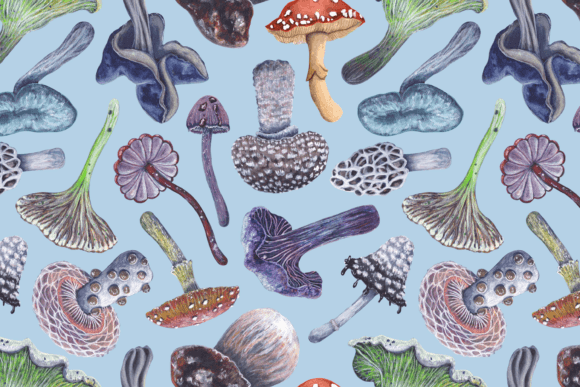
The first time I opened the Colorful Mushroom Seamless Pattern, I was struck by its playful yet balanced aesthetic. It’s the kind of graphic design asset that immediately evokes a sense of curiosity and warmth. The mushrooms are stylized, not too literal, and rendered in a vibrant color palette that feels both earthy and modern. As a brand designer, I can see how this pattern could inject personality into a brand without overwhelming the visual hierarchy.
This design asset leans into a lighthearted, nature-inspired mood—ideal for lifestyle brands, creative entrepreneurs, and small businesses looking to connect with audiences on an emotional level. It doesn’t scream luxury, but it definitely supports brands that want to feel approachable, authentic, and just a little magical.
Marketing Use Case: Social Media Refresh for a Seasonal Product Launch
Let’s imagine a real-world scenario: a small wellness brand is launching a limited-edition herbal tea line for fall. They want to refresh their Instagram and Pinterest visuals to match the seasonal theme. The Colorful Mushroom Seamless Pattern becomes a core element in their content kit.
Used as a background for Instagram story templates, Pinterest pins, and carousel graphics, the pattern ties the visuals together while supporting the brand’s messaging of natural ingredients and cozy vibes. It’s subtle enough to let product photos and text shine, yet distinctive enough to elevate the overall brand presence across platforms.
Where This Pattern Excels: Brand Identity and Campaign Assets
The Colorful Mushroom Seamless Pattern works especially well in brand identity elements that benefit from a touch of organic flair. Here’s where I see it adding the most value:
- Logo design accents: Can be used as a secondary background or border in brand kits.
- Packaging design: Perfect for wrapping tea boxes, candle labels, or artisanal product inserts.
- Social media graphics: Ideal for Instagram posts, Pinterest visuals, and Facebook ads with a seasonal or nature theme.
- Email banners: Adds a cohesive visual theme to digital newsletters without distracting from the message.
- Lead magnets: Makes downloadable guides or printable planners feel more premium and intentional.
It’s also a strong contender for Canva templates and digital product visuals—especially for creatives selling planners, journals, or digital stickers.
Supporting Marketing Goals with Visual Consistency
One of the biggest challenges for small businesses is maintaining a professional and consistent look across all marketing materials. This pattern helps by providing a ready-made visual element that can be reused across multiple formats.
From a content marketing perspective, the Colorful Mushroom Seamless Pattern supports goals like:
- Stronger first impression: Unique visuals catch attention before audiences scroll past.
- Visual hierarchy: Acts as a background that supports, not competes with, the main message.
- Audience trust: Consistent, polished visuals build credibility, especially for new brands.
- Emotional connection: The whimsical mushroom design creates a sense of warmth and nostalgia.
- Better engagement: Eye-catching patterns increase the likelihood of shares and saves on visual platforms like Pinterest.
Best Use Cases for Maximum Impact
For best results, this pattern should be used where visual storytelling is key:
- Hero graphics: Website headers or landing pages that need a touch of organic charm.
- Product launch visuals: Especially for nature-themed or seasonal offerings.
- Branded templates: In Canva or Photoshop kits for content creators and small business owners.
- Social media covers: For Instagram highlights, Pinterest boards, or YouTube thumbnails.
- Promotional banners: Used in digital ads or email campaigns with a seasonal or artisanal theme.
- Merchandise and stickers: Works beautifully on printed items like greeting cards, stickers, and packaging inserts.
When to Use It with Caution
While the Colorful Mushroom Seamless Pattern is versatile, it’s not a one-size-fits-all solution. Here are the situations where caution is advised:
- Formal corporate branding: Too playful for finance, law, or enterprise-level brands.
- Dense information layouts: Can make complex infographics or data-heavy visuals feel cluttered.
- Small mobile graphics: Details may be lost on tiny screens or thumbnails.
- Low-contrast backgrounds: Needs to be paired with high-contrast text and icons for readability.
- Minimalist brands: May feel out of place in brands that rely on clean, white-space-driven design.
- Text-heavy ads: Can compete with messaging if not used as a subtle background layer.
Brand Designer Notes: Practical Considerations
Before integrating the Colorful Mushroom Seamless Pattern into a live campaign, here are the key checks I’d recommend:
- Brand color palette test: Overlay the pattern with your brand colors to ensure harmony.
- Black and white preview: See how it holds up in grayscale or print.
- Mockup testing: Place it into real campaign visuals to assess balance and readability.
- Mobile preview: Zoom in and check clarity on small screens.
- Font pairing: Test with serif, sans serif, script, and display fonts to see which combinations work best.
- Competitor comparison: Make sure it stands out in your niche without looking generic.
- Licensing review: Confirm it comes with a commercial license for use in client work or paid campaigns.
Final Thoughts: A Versatile Asset for Visual Storytelling
The Colorful Mushroom Seamless Pattern is more than just a pretty background—it’s a tool for building brand personality and visual consistency. Whether you’re a content creator building a Canva template bundle, a small business owner launching a new product, or a digital marketer designing seasonal ads, this pattern can help you tell a more engaging visual story.
As long as it’s used thoughtfully and aligned with your brand tone, this creative design asset can elevate your marketing visuals, strengthen audience trust, and support a more memorable campaign presence—especially in creative, lifestyle, and seasonal niches.