Fairy House Paper: A Designer’s Real-World Review
First Impressions: Whimsy Meets Practicality
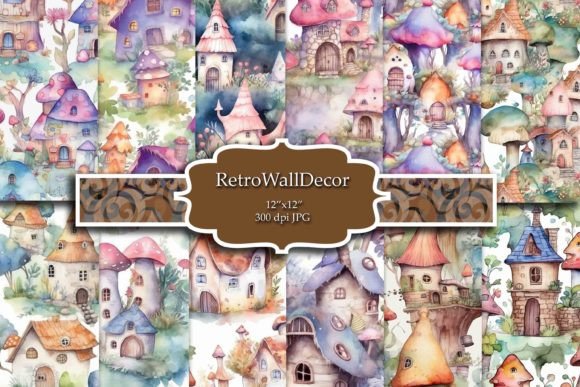
Opening the Fairy House Paper embroidery file, I immediately felt a sense of soft magic. The design leans into a gentle, storybook aesthetic—think tiny cottages nestled among mushrooms and fluttering butterflies. It’s clearly aimed at a fantasy or nature-inspired audience, making it ideal for baby items, nursery decor, or boutique gift lines. The layout is balanced, not too busy, and carries a dreamy, layered feel without overwhelming the eye. As a designer, I appreciate how the theme naturally invites personalization—this could easily be the centerpiece of a custom embroidered tote bag or a stitched pillow cover.
Real-World Use: From Sweatshirts to Holiday Gifts
Testing Fairy House Paper on a few real embroidery projects gave me a better sense of its practicality. On a soft cotton sweatshirt, the design stitched cleanly with minimal thread breaks and good satin stitch coverage. The fill stitches held up well, even on a slightly textured fabric. I also tried it on a linen tea towel for a boutique-style kitchen gift, and the result was charming—clean lines, clear details, and a whimsical focal point that felt handmade but professional.
For a custom baby blanket, I scaled the design down slightly to fit a smaller hoop. The fairy house retained its character, and the tiny details like windows and flowers stayed intact. The result was a sweet, high-quality finish that felt gift-worthy. For Etsy sellers or small shop owners, this design could easily become a go-to for personalized baby gifts or holiday items.
Where Fairy House Paper Excels
- Custom apparel – especially for children’s clothing and themed outfits
- Handmade nursery decor – wall hangings, mobiles, or crib accessories
- Personalized tote bags – adds a soft, unique touch for boutique shoppers
- Embroidered patches – great for sew-on or iron-on applications
- Seasonal gifts – works well for spring or fairy-themed holiday items
Watch These Areas: Fabric, Hoop Size, and Detailing
While Fairy House Paper performs well in many situations, there are a few caveats. I noticed some thread pull on stretchy knit fabric when I tried it on a lightweight baby onesie. The satin stitch corners pulled slightly, which could affect clarity. For such fabrics, a lightweight stabilizer or even a tear-away backing would be essential.
Also, when stitched on dark fabric, some of the lighter thread colors—like pale pinks and yellows—didn’t pop as much as I’d hoped. I’d recommend testing Fairy House Paper in black and white mockups or running a few color swaps before finalizing the design for a commercial embroidery project.
One area that needs attention is the fine detailing in the corners of the house. On a curved surface like a baseball cap, those small elements can get distorted or lost in the stitch. If you're planning to use this design on a hat or a curved pillow, consider simplifying or omitting the most delicate parts.
Impact on Product Quality and Customer Perception
From a product design perspective, Fairy House Paper elevates the visual appeal of any handmade or personalized item. It brings a sense of narrative and charm that’s hard to replicate with standard embroidery motifs. For Etsy sellers or craft entrepreneurs, that kind of design can increase perceived value and help justify a premium price point.
When I used the design on a custom embroidered apron for a local boutique, the feedback was overwhelmingly positive. Customers appreciated the detail and the story behind the design. It also helped with brand consistency—especially when paired with other nature-themed designs. The design’s clarity and balanced layout make it easy to integrate into a cohesive product line, whether for digital embroidery files or finished items.
Designer Notes: Practical Tips for Best Results
- Test on scrap fabric before stitching on your final product, especially with stretchy or textured materials.
- Review thread color contrast—some colors may not show up well on dark or patterned fabrics.
- Check stitch density if you're planning to embroider on thin or delicate fabric.
- Confirm hoop size compatibility—this design may need a larger hoop for full detail.
- Inspect small details like windows and door frames to ensure they stitch cleanly.
- Use proper stabilizer to prevent puckering or distortion, especially on stretchy or soft fabrics.
- Test in black and white mockups to see how the design translates to grayscale or line art.
- Compare light and dark fabric backgrounds to choose the best color palette.
- Check licensing terms before using in a commercial embroidery project or selling digital embroidery files.
Final Thoughts: A Thoughtful Addition to Any Embroidery Kit
Fairy House Paper isn’t just another machine embroidery design—it’s a design asset with personality and potential. Whether you're creating a custom embroidered sweatshirt for a client or designing a digital embroidery file for your Etsy shop, this design brings a unique visual story that can enhance your product lineup.
As with any embroidery file, success comes from understanding the fabric, testing thoroughly, and applying the design with intention. But if you’re looking for a background-style design that adds charm and character without overwhelming the project, Fairy House Paper is a solid choice.