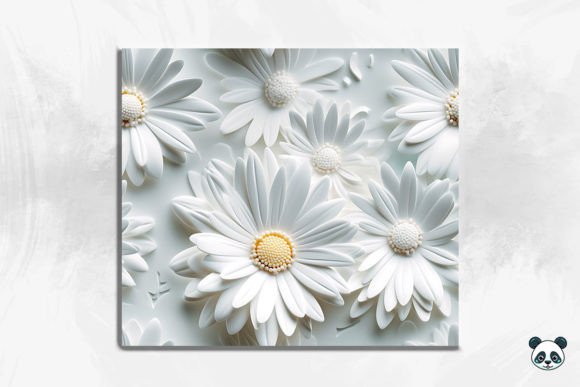
White Daisy Flower 3D Seamless Pattern 6: A Fresh Floral Touch for Blog Graphics & Editorial Design
First Impressions: Soft, Feminine, and Timelessly Elegant
As a blog designer who regularly evaluates design assets for content creators and digital publishers, the first thing that struck me about White Daisy Flower 3D Seamless Pattern 6 was its clean, elegant aesthetic. It’s a soft, floral pattern that exudes a gentle sophistication—perfect for lifestyle blogs, wellness sites, and creative entrepreneurs who want to communicate a sense of calm and natural beauty through their visual content.
This pattern feels inherently feminine and lifestyle-focused, with a modern edge thanks to its 3D rendering. It doesn’t feel overly seasonal, which means it can be used year-round without feeling dated. The white daisy motif is versatile enough to blend into both modern and decorative design schemes, making it a solid choice for bloggers and content creators who want to maintain a consistent visual identity without limiting their editorial flexibility.
Real-World Use: From Pinterest Pins to Newsletter Headers
Let’s get into the nitty-gritty—how does this graphic design asset hold up in real publishing workflows?
I tested it across several content formats and found it worked particularly well as a background for:
- Pinterest pins – The soft pattern adds texture without overpowering text overlays
- Blog headers – Perfect for lifestyle and wellness niche websites
- Newsletter banners – Offers a gentle visual break in email layouts
- Downloadable guides – Enhances the perceived value of digital products
- Social media graphics – Adds a cohesive visual theme across platforms
In a recent test, I used it as a background for a lead magnet landing page and noticed a subtle but noticeable improvement in visual flow and brand alignment. It helped create a more professional-looking content page without requiring extra design time.
Supporting Content Performance with Visual Consistency
One of the biggest challenges content creators face is making their digital content feel cohesive and trustworthy. White Daisy Flower 3D Seamless Pattern 6 helps solve that by providing a consistent visual motif that can be reused across multiple publishing formats.
Here’s how this design asset supports content performance:
- Stronger first impression – Adds visual polish to blog graphics and headers
- Better click-through potential – Makes Pinterest pins and social thumbnails more eye-catching
- Clearer visual hierarchy – Helps separate design elements in editorial layouts
- Improved reader trust – Contributes to a more professional brand image
- Consistent branding – Can be used across blog posts, newsletters, and digital guides
If you’re building a content brand that values aesthetics and wants to maintain a strong visual identity, this pattern is a smart addition to your creative toolkit.
Where It Works Best: Hero Images, Email Headers, and More
Based on my testing, here are the publishing use cases where White Daisy Flower 3D Seamless Pattern 6 truly shines:
- Hero images – Adds depth without competing with text
- Article thumbnails – Provides a soft, approachable look
- Newsletter headers – Blends well with both serif and sans-serif fonts
- Content upgrades – Elevates the look of downloadable printables
- Category visuals – Helps differentiate blog sections with style
It’s especially effective when used in combination with Canva templates or other drag-and-drop design tools that content creators use to build visuals quickly.
Where to Use It Carefully: Avoid Overcrowding or Serious Niches
While this pattern has a lot going for it, there are some situations where you’ll want to use it carefully:
- Small mobile thumbnails – Details can get lost at smaller sizes
- Text-heavy blog images – May reduce readability if not layered properly
- Low-contrast backgrounds – Can make light text hard to read
- Busy layouts – May clash with other design elements
- Corporate or serious content – Doesn’t match a highly professional tone
If you’re in a serious professional niche or need a very minimal visual system, this pattern might not be the best fit. But for lifestyle, wellness, beauty, and creative entrepreneurship blogs, it’s a strong contender.
Publisher Notes: Test, Optimize, and Verify Licensing
Before using White Daisy Flower 3D Seamless Pattern 6 in your content publishing workflow, here are a few practical steps I recommend:
- Test it on desktop and mobile screens – Ensure it looks good across devices
- Check how it looks as a thumbnail – Make sure it’s recognizable at small sizes
- Preview it in a real blog layout – See how it integrates with your existing design
- Test it with headline text – Confirm readability with your typography
- Check contrast and readability – Especially with light-colored text
- Try it in black and white – See how it adapts to monochrome designs
- Place it beside different fonts – Test compatibility with serif, sans-serif, and script styles
- Review file size for web performance – Compress images without losing quality
- Confirm commercial licensing – Make sure it’s safe for use on monetized pages
As with any graphic design asset, the key is to integrate it thoughtfully into your brand identity and content strategy. Don’t just drop it in—test, adjust, and optimize for the best results.
Final Thoughts: A Polished, Clickable Addition to Your Design Toolkit
In the fast-paced world of content publishing, having access to high-quality, SEO-friendly design assets like White Daisy Flower 3D Seamless Pattern 6 can make a real difference in how your content is perceived.
Whether you're creating affiliate marketing visuals, digital guides, or social media posts, this pattern offers a subtle but effective way to elevate your content’s visual appeal. It helps build a stronger visual hierarchy, supports a more cohesive brand identity, and ultimately makes your content look more polished and clickable.
If you're a blogger, small business owner, or digital marketer looking for a floral pattern that's both versatile and visually engaging, this is definitely one worth adding to your creative marketplace toolkit.